BiologyBiological function
Reviewed UniProt describes APP as a cell-surface receptor with physiological roles in neurite growth, neuronal adhesion, axonogenesis and synaptogenesis. Proteolytic processing generates soluble APP fragments and amyloid-beta peptides, while intracellular interactions contribute to signalling and transcriptional regulation.
Experimental contextResearch context
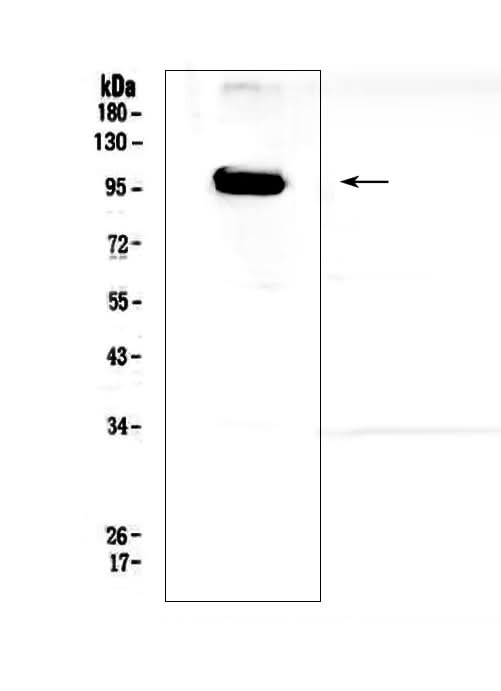
APP research spans neuronal development and adhesion, secretase-dependent processing, amyloid-beta generation and the molecular biology of neurodegeneration. Because APP produces multiple isoforms and cleavage products, studies should distinguish full-length APP from specific soluble, C-terminal and amyloid-beta species and verify epitope/application specificity at product level.
IdentifiersAlternative names
Names used across publications, databases and supplier catalogues.
Amyloid-beta precursor proteinA4AAAABETAABPPAD1APPICTFgammaCVAPPN-IIPN2alpha-sAPPpreA4