ABMIUM target intelligence

APOE

apolipoprotein E

Apolipoprotein E (APOE, ApoE) is a lipid-binding apolipoprotein that supports transport, uptake and clearance of lipoprotein-associated lipids. ABMIUM catalogue products linked below support research on APOE biology.

Read full target overview
OrganismMultiple species; representative: Homo sapiens (Human) NCBI Gene348 UniProtP02649

APOE products

Need help?Ask a scientist
Loading… products
Anti-APOE Antibody Picoband® Boster Bio
Boster BioABMIUM Verified™

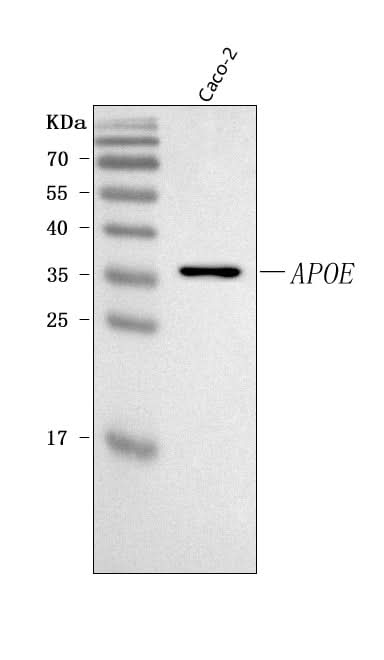
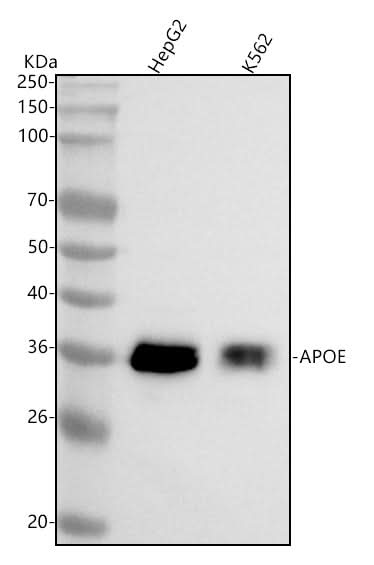
Anti-APOE Antibody Picoband®

SKU: ABM25694-1Primary Antibodies
Target
Apolipoprotein E
Host
Rabbit
Clonality
Polyclonal
Reactivity
Human
Applications
ELISA, Flow Cytometry, IF/ICC, IHC, IHC-P, WB
From£278.80£328.00 Save 15%
Available to order
Human APOE PicoKine® Quick ELISA Kit Boster Bio
Boster BioABMIUM Verified™

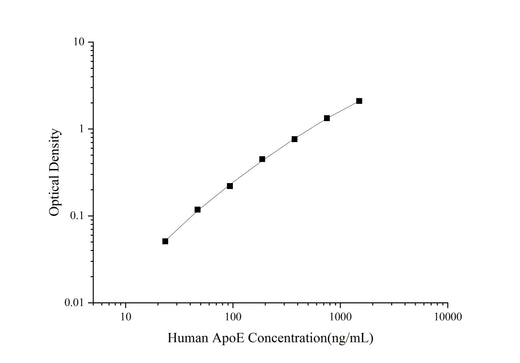
Human APOE PicoKine® Quick ELISA Kit

SKU: ABM32267ELISA Kits
Target
Apolipoprotein E
Reactivity
Human
Sensitivity
<50 pg/ml
Detection range
3.12 ng/ml - 200 ng/ml
Sample types
Cell culture supernatantSerumplasma (heparinEDTA)Salivami...
£375.70£442.00 Save 15%
Available to order
Comparing

Research context & evidence

About APOE

Target information is kept separate from product-level validation so you can review the biology and the reagent evidence independently.

Biology

Biological function

Apolipoprotein E (APOE/ApoE) is a major apolipoprotein involved in lipoprotein-mediated lipid transport between tissues. It associates with several classes of circulating lipoproteins, binds receptors including LDL receptor family members and contributes to lipoprotein clearance, cholesterol transport and broader lipid homeostasis. APOE also has important roles in lipid transport within the central nervous system.

Experimental context

Research context

Apolipoprotein E (APOE/ApoE) is widely studied in lipid and cholesterol metabolism, lipoprotein clearance, cardiovascular biology and neurobiology. Use the catalogue filters below to review ABMIUM products associated with apolipoprotein E, then confirm species, sample type, assay format, application and product-level validation before use.

Identifiers

Alternative names

Names used across publications, databases and supplier catalogues.

Apolipoprotein EAD2ApoE4LDLCQ5LPGAPOEA