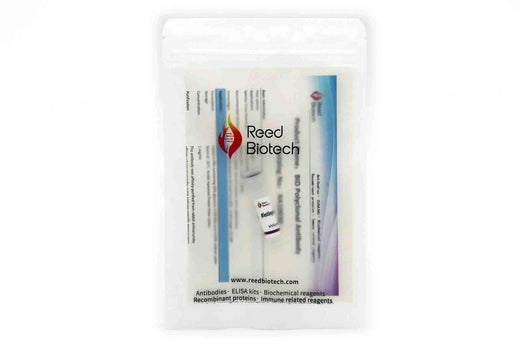
IL-31RB polyclonal antibody; host Rabbit; reactivity Human, Rat, Mouse
Know who made it. See the evidence. Buy through one marketplace.
disease:Defects in OSMR are the cause of amyloidosis type 9 (AMYL9) [MIM:105250]; also known as primary cutaneous amyloidosis (PCA), primary localized cutaneous amyloidosis (PLCA), familial lichen amyloidosis or familial cutaneous lichen amyloidosis. AMYL9 is a hereditary primary amyloidosis characterized by localized cutaneous amyloid deposition. This condition usually presents with itching (especially on the lower legs) and visible changes of skin hyperpigmentation and thickening (lichenification) that may be exacerbated by chronic scratching and rubbing. The amyloid deposits probably reflect a combination of degenerate keratin filaments, serum amyloid P component, and deposition of immunoglobulins.,domain:The box 1 motif is required for JAK interaction and/or activation.,domain:The WSXWS motif appears to be necessary for proper protein folding and thereby efficient intracellular transport and cell-surface receptor binding.,function:Associates with IL31RA to form the IL31 receptor. Binds IL31 to activate STAT3 and possibly STAT1 and STAT5. Capable of transducing OSM-specific signaling events.,induction:Activated by oncostatin-M. Up-regulated by IFNG and lipopolysaccharide.,similarity:Belongs to the type I cytokine receptor family. Type 2 subfamily.,similarity:Contains 4 fibronectin type-III domains.,subunit:Heterodimer composed of OSMR and IL6ST (type II OSM receptor). Heterodimer with IL31RA to form the IL31 receptor.,tissue specificity:Expressed at relatively high levels in all neural cells as well as fibroblast, epithelial and a variety of tumor cell lines.,
Fully tested in-house by ABMIUM, or supported by an advanced validation report from a partner reviewed by ABMIUM. Highest confidence. Non-conformities fully supported under the ABMIUM Product Promise.
Quality verified. Independent collaborator or expected-performance data available. Product meets ABMIUM quality standards.
Expected to work based on structural and biochemical data. Not yet directly tested by ABMIUM or a collaborator. No non-conformity support for this combination.
Not recommended for this application or species/sample combination. This may indicate either evidence of unsuitability or that the combination has not been tested and therefore cannot currently be recommended.
Evidence status by application and model.
| Species / reactivity | WB | ELISA |
|---|---|---|
| Human,Rat,Mouse |
This product is manufactured by Reed Biotech and sold through ABMIUM without relabelling.
ABMIUM supports global orders. Availability, shipping requirements and applicable import arrangements are confirmed before fulfilment where required.
Yes. Send your target, sample, application and experimental conditions through ABMIUM MATCH or technical support.
Unless the listing expressly states otherwise, ABMIUM products are supplied for research use only and are not for diagnostic or therapeutic use.
OSMR identifies oncostatin M receptor in Homo sapiens (Human). This target record connects NCBI Gene 9180, UniProtKB Q99650 and related ABMIUM catalogue products.