ABMIUM target intelligence

APP

amyloid beta precursor protein

Amyloid beta precursor protein (APP; amyloid-beta precursor protein) is a type I transmembrane protein that is processed by secretases into multiple biologically active fragments, including soluble APP forms and amyloid-beta peptides. It is studied in neuronal growth, adhesion, synaptic biology and amyloid processing.

Read full target overview
OrganismMultiple species; representative: Homo sapiens (Human) NCBI Gene351 UniProtP05067

APP products

Need help?Ask a scientist
Loading… products
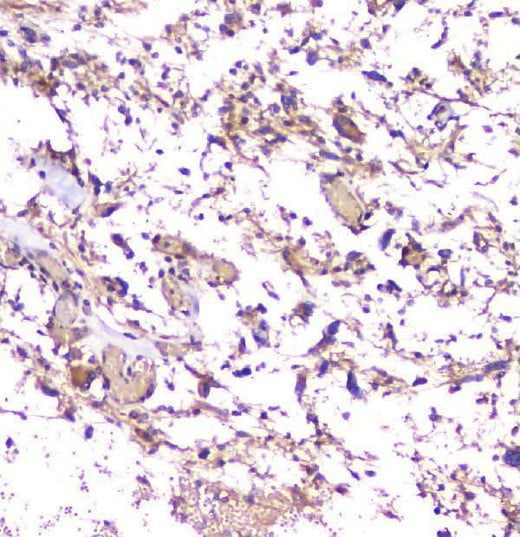
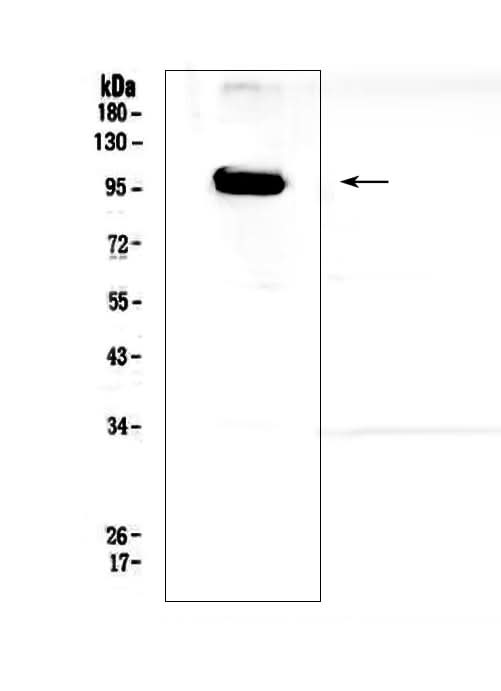
Anti-APP/C99 Antibody Picoband® Boster Bio
Boster BioABMIUM Verified™

Anti-APP/C99 Antibody Picoband®

SKU: ABM22500-1Primary Antibodies
Target
Amyloid-beta precursor protein
Host
Rabbit
Clonality
Polyclonal
Reactivity
Human
Applications
ELISA, Flow Cytometry, IHC, IHC-P, WB
From£278.80£328.00 Save 15%
Available to order
Comparing

Research context & evidence

About APP

Target information is kept separate from product-level validation so you can review the biology and the reagent evidence independently.

Biology

Biological function

Reviewed UniProt describes APP as a cell-surface receptor with physiological roles in neurite growth, neuronal adhesion, axonogenesis and synaptogenesis. Proteolytic processing generates soluble APP fragments and amyloid-beta peptides, while intracellular interactions contribute to signalling and transcriptional regulation.

Experimental context

Research context

APP research spans neuronal development and adhesion, secretase-dependent processing, amyloid-beta generation and the molecular biology of neurodegeneration. Because APP produces multiple isoforms and cleavage products, studies should distinguish full-length APP from specific soluble, C-terminal and amyloid-beta species and verify epitope/application specificity at product level.

Identifiers

Alternative names

Names used across publications, databases and supplier catalogues.

Amyloid-beta precursor proteinA4AAAABETAABPPAD1APPICTFgammaCVAPPN-IIPN2alpha-sAPPpreA4